
The Mandala Effect & the Pony Express
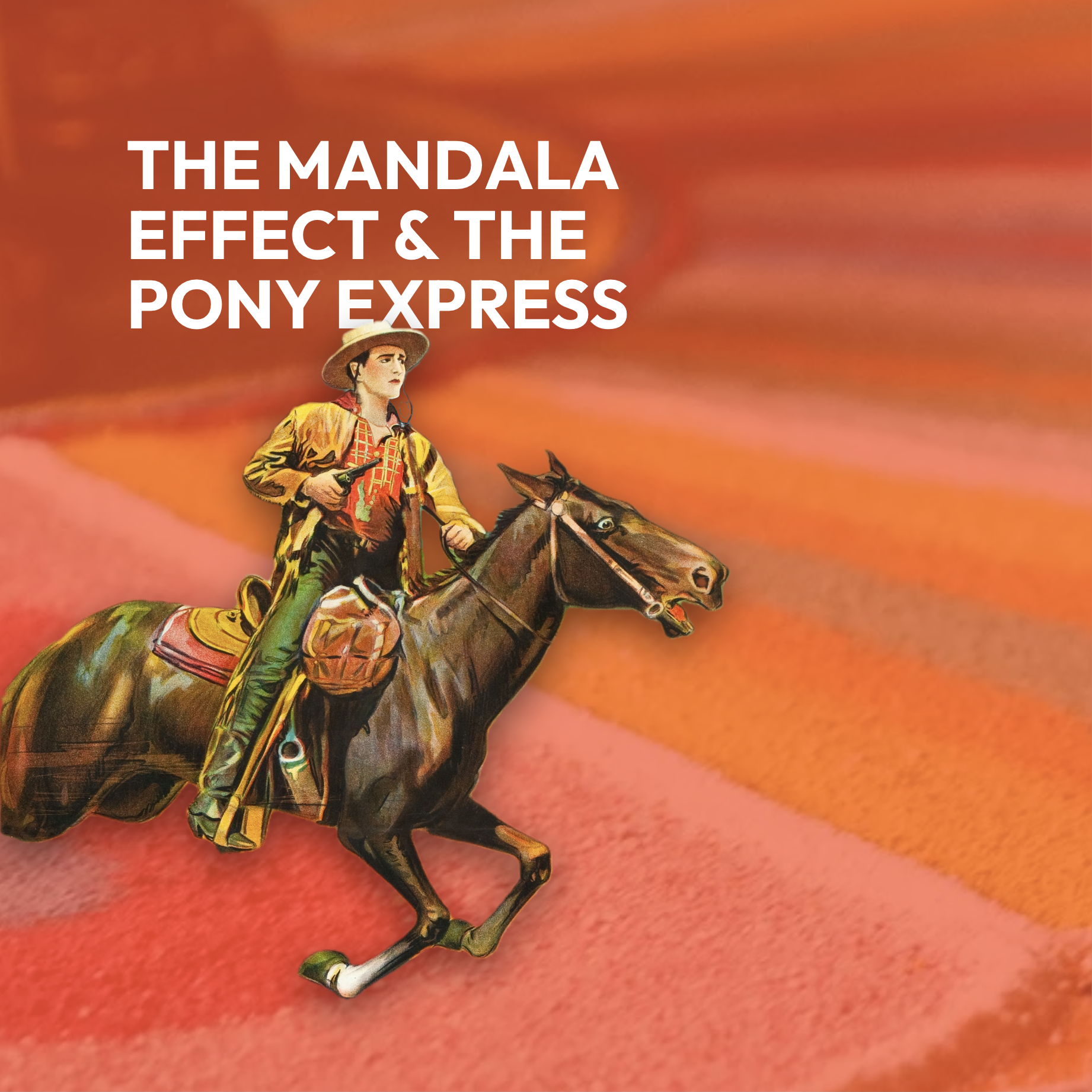
The Pony Express ran for 18 months.
It shut down two days after the transcontinental telegraph was completed.
The riders knew it was coming—telegraph poles were going up the whole time they were riding. But they rode anyway. Because a letter that arrives in 10 days beats one that never arrives.
Last year, I built an AI chief of staff.
Morning briefings, inbox triage, post-call debriefs, weekly coaching on how I showed up in meetings. Took weeks. Worked beautifully.
Then Claude Cowork dropped.
One plugin did everything my stack did, better. So, I swept it into a pile of dust. Started rebuilding the next day.
That's the job now:
Build. Ship. Get superseded. Build again. Not a setback—a cadence. 42% of companies abandoned most of their AI initiatives in 2025, up from 17% the year before. I’d bet most weren't failures. They were Pony Express routes. Then the telegraph arrived.
The lesson: Don’t be attached to the ride.
Tibetan monks spend up to 20 days placing individual grains of colored sand into elaborate mandalas—sometimes five feet across. The moment one is complete, they sweep it away. It’s a practice. They don't mourn the mandala. They're training an instinct of non-attachment—so the next creation comes easier than the last.
That’s the Mandala Effect.
We all need to get comfy with building things that will get swept away.
Foundation models will keep improving. New tools will keep arriving.
But our letters can’t wait for the perfect route.
So, build the thing.
Get the results.
Sweep it away.
Then build again.