
Insights
Writing and research and stuff
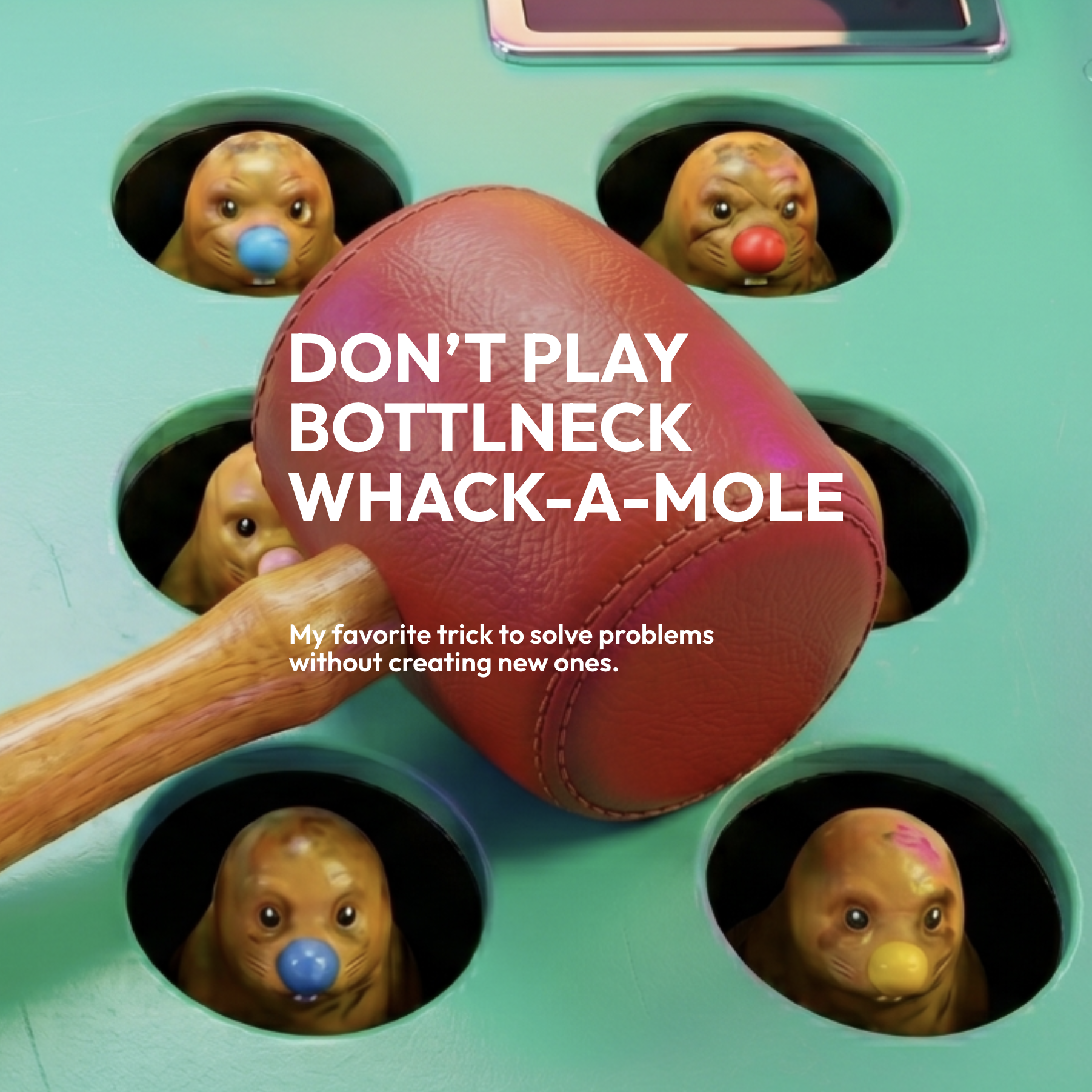
Don’t play bottleneck whack-a-mole
The inventor of the printing press died penniless.
Not because the press didn't work. It was spectacular. Gutenberg produced in days what took scribes months. He solved the hardest part of the problem…and never saw it coming when his solution became the New Problem.
He flooded his local market with cheap books. Prices collapsed. His books had no way to compete with all the expensive books in faraway towns. He'd revolutionized production but ignored distribution. His breakthrough created the crisis.
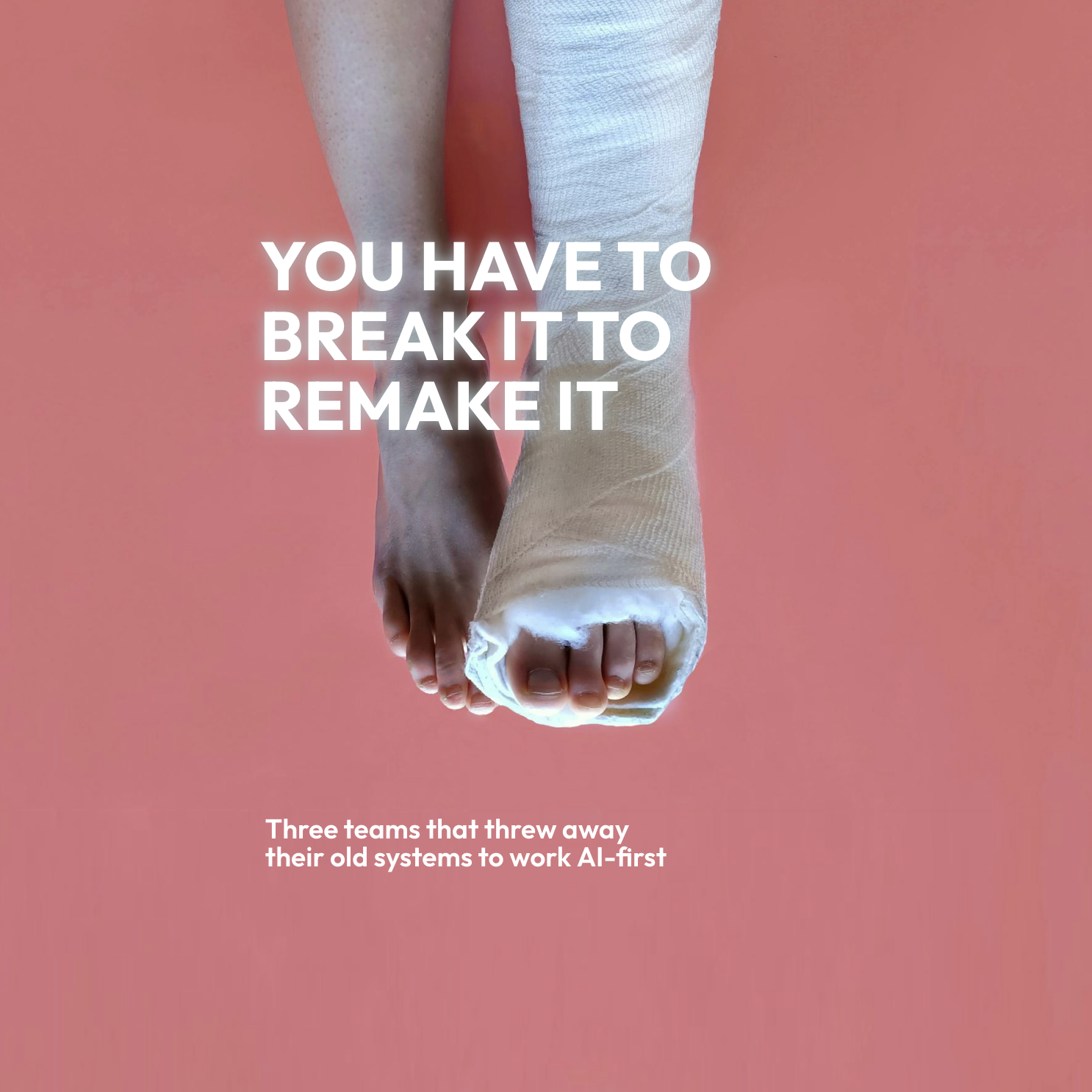
You have to break it to remake it.
Three teams that threw away their old systems to work AI-first.
Not AI-assisted. Not "we gave everyone Copilot." Threw away the process and started over.
There's a surgery called an osteotomy. When a bone has healed wrong, it's functional enough to walk on but misaligned the only fix is to re-break it, set it correctly, and let it heal from scratch. You can't correct the alignment from the outside.
Most workflows are that bone. They healed around fax machines, email chains, weekly standups, and quarterly planning cycles. Layering AI on top doesn't fix the alignment. It just makes the limp a little faster.
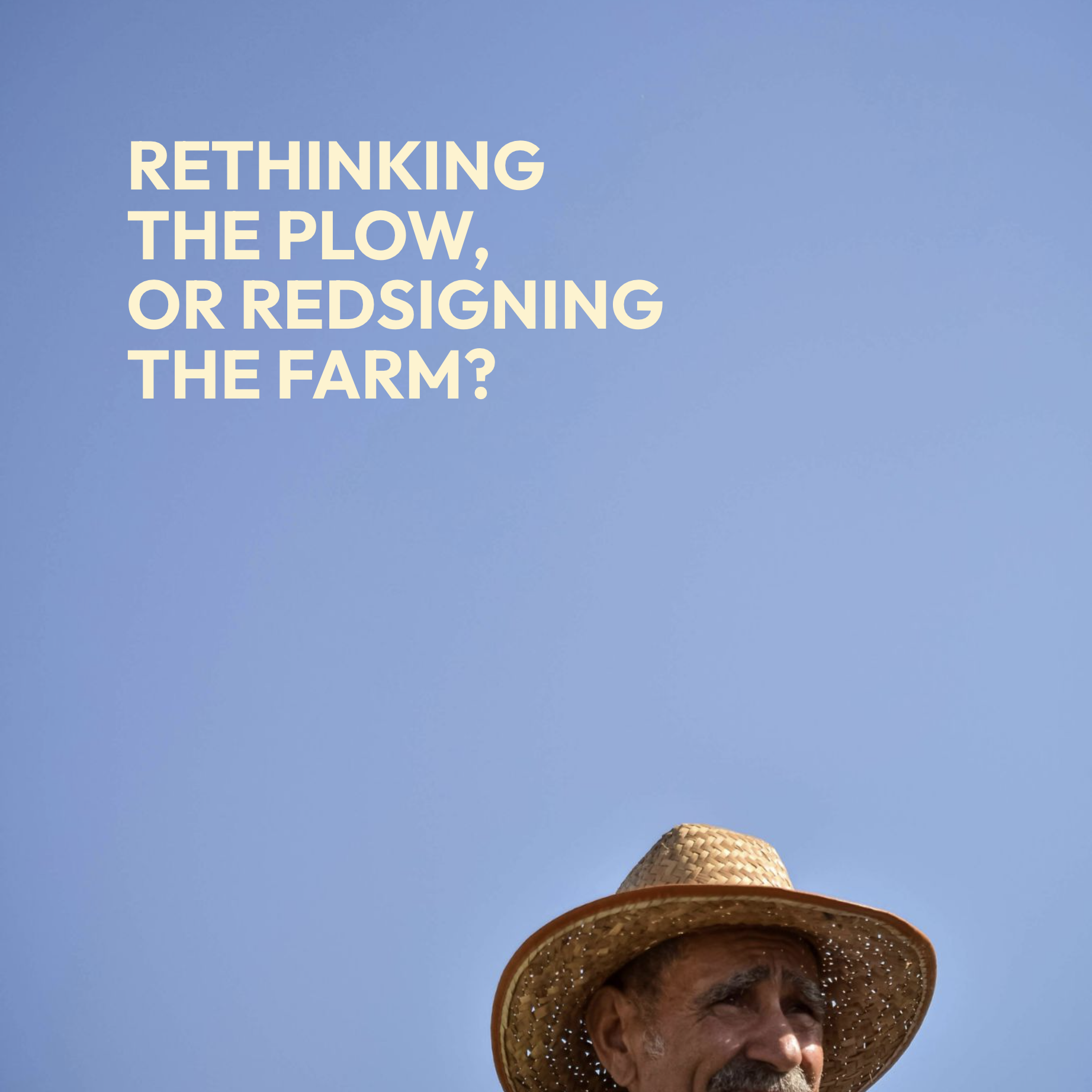
Rethinking the plow, or redesigning the farm?
In 1923, Henry Ford owned 75% the American tractor market. By 1928—5 years later—he walked away a failure.
Problem was, Ford’s tractor was just a mechanized plow. He simply replaced the horse with an engine.
John Deere saw something Ford missed:…
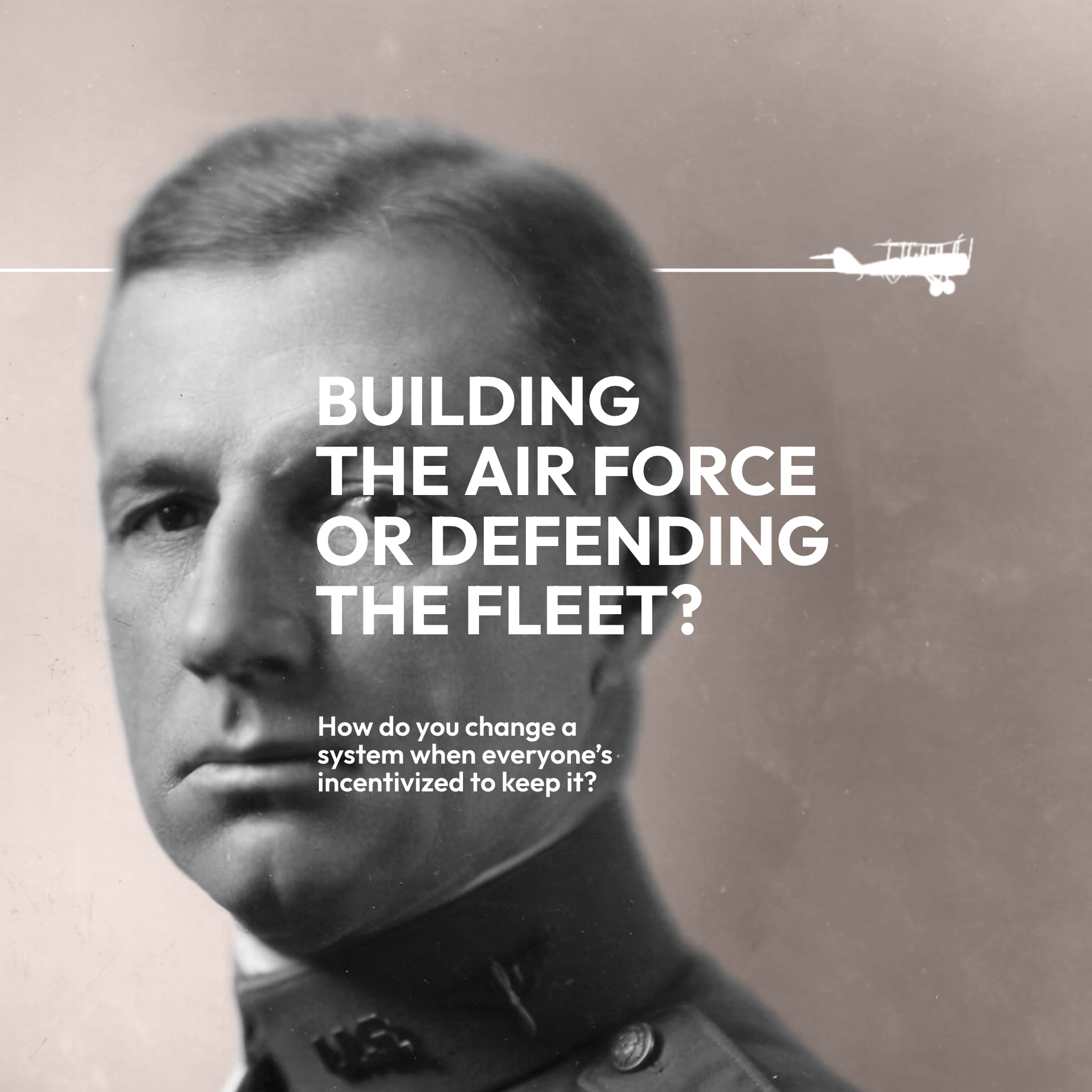
Building an air force or defending the fleet?
In 1921, Billy Mitchell sank an ‘unsinkable’ battleship with an airplane. The Navy's response? Courtmartial him, and promote the admirals who said he couldn’t do it.
How many people does it take to say yes?
"A committee where 10 people have to say yes is the opposite of innovation." That's Coinbase CEO Brian Armstrong. Last year, one innovation bet netted them $1.35B in revenue.
Here's the system that made it possible—and why most companies could never replicate it.
Output’s up, vibes are down
Is AI making teams more robotic? Human-AI teams are 50% more productive. But, they’re about 25% less social. Output’s up, vibes are down.
New MIT/Johns Hopkins study: 2,234 workers. 11,000+ ads created. Ads tested with 5 million impressions on X.
Researchers found something most AI coverage skips…

The Mandala Effect & the Pony Express
The Pony Express ran for 18 months.
It shut down two days after the transcontinental telegraph was completed.
The riders knew it was coming—telegraph poles were going up the whole time they were riding. But they rode anyway. Because a letter that arrives in 10 days beats one that never arrives.
Trashcans & Astronauts
In 1961, an 11-year-old girl spent four days floating on a cork raft in the open Atlantic. No food, no water, no shelter from the sun.
The crew that finally found her said the hardest part wasn't the search area—it was spotting the raft. Neutral-colored equipment blended into the waves. A human being, drifting in millions of square miles of ocean, was nearly invisible.
That rescue changed everything.

This is stupid, let’s fix it
You don't need an AI strategy. You need wins. I spent 13 years at IDEO watching orgs make the same mistake with design thinking that they're making with AI right now:
They interview stakeholders.
They build a beautiful matrix of prioritized use cases.
Then they pilot whichever ones scored highest on the 2x2.
Six months and a few hundred thousand dollars later, they kill it.
Ripping out your kitchen before you hire a contractor
It takes zero imagination to eliminate a job.
It takes tremendous imagination to invent new ones.
Too many companies take the zero approach.
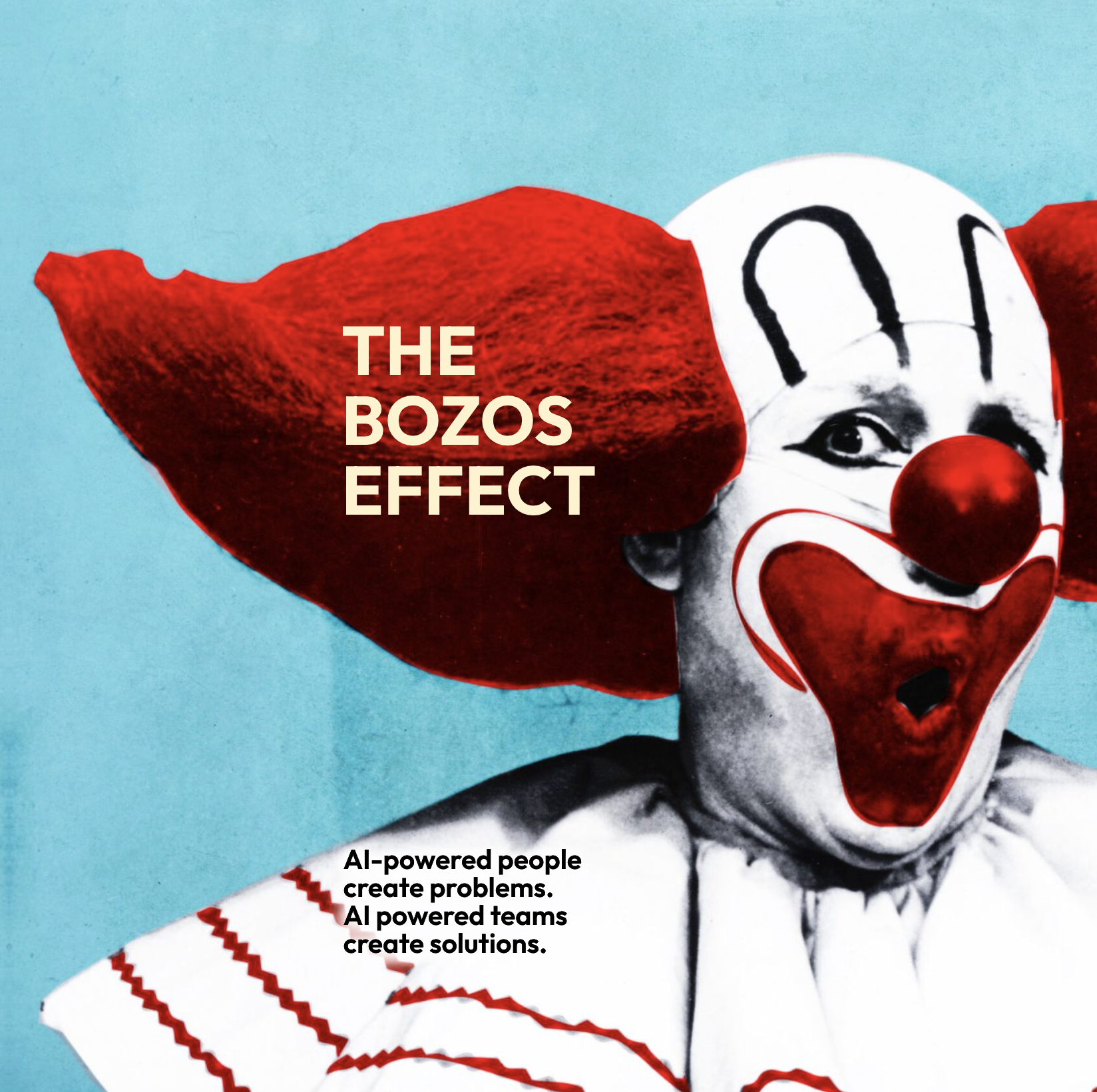
The bozos effect
One person plus AI equals a two-person team. Harvard proved it with 776 employees at P&G. I've started calling what happens next "the bozos effect." I see it with almost every client now. Give someone AI tools and within a few weeks they're quietly wondering why they need the rest of the team.
It's not imaginary. A Harvard/GitHub study found developers with Copilot shifted toward solo coding and away from collaboration. Not because anyone told them to, but because they could.

Your headshot predicts your paycheck
An AI looked at 96,000 LinkedIn photos. It predicted career success better than GPA, GMAT, or attractiveness. Combined.
New National Bureau of Economic Research study from The Wharton School and Yale University used AI to extract Big Five personality traits from MBA grads' headshots. Then tracked their careers.
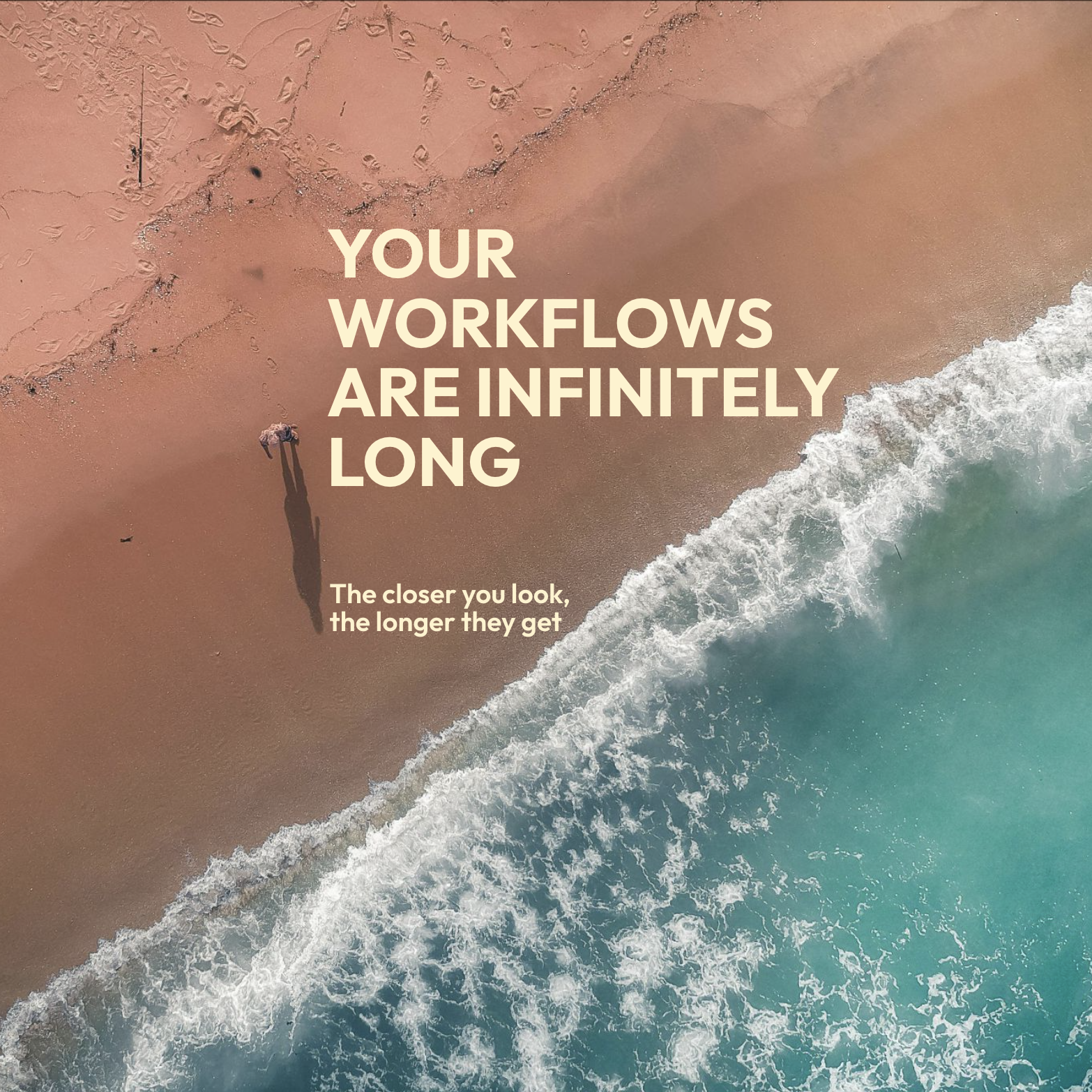
Your workflows are infinitely long
Spain measured its border with Portugal at 987km. Portugal measured the same border at 1,214km. Neither was wrong.
In 1951, mathematician Lewis Fry Richardson discovered why:
the finer your ruler, the longer the measurement.
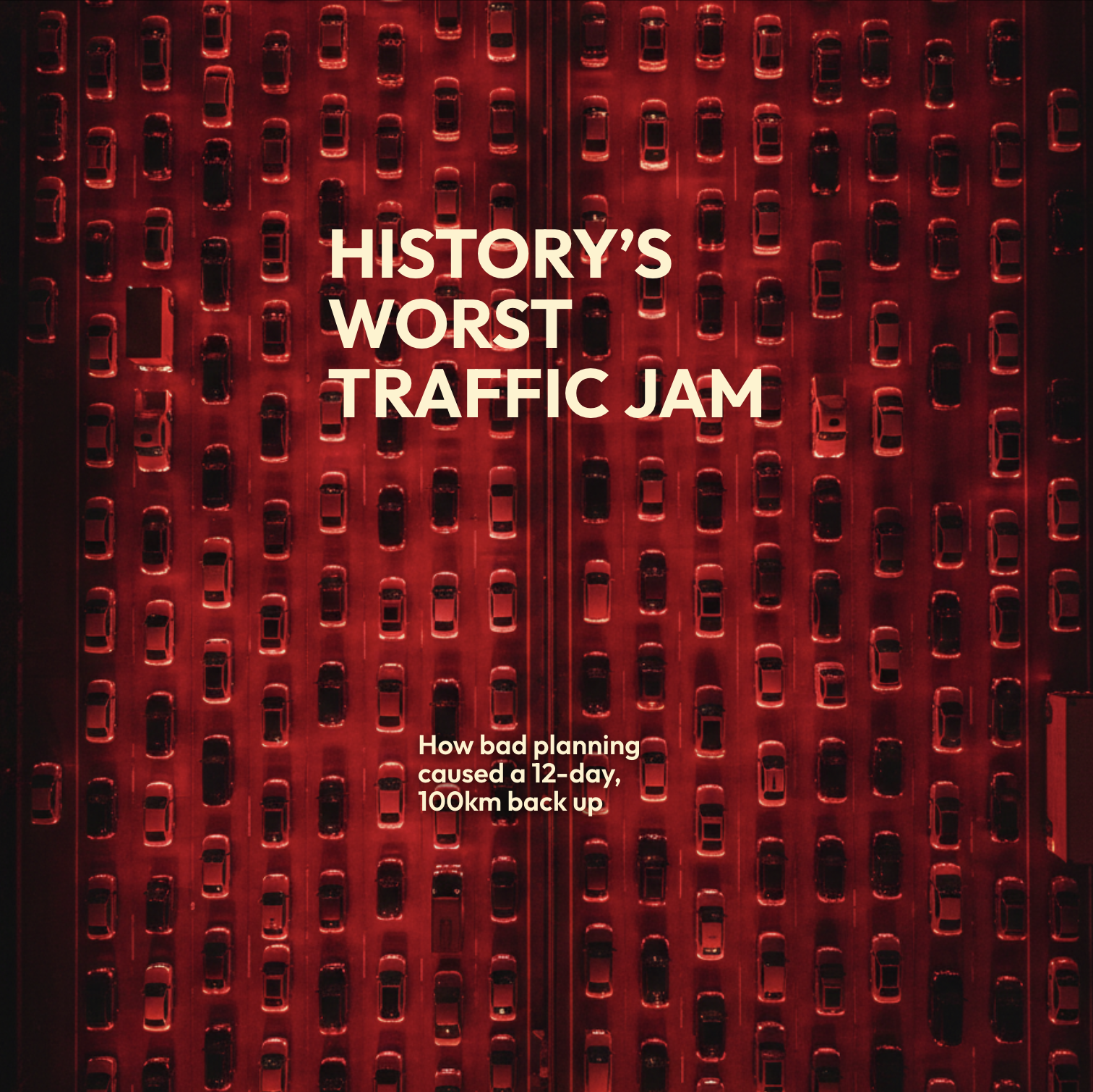
History’s worst traffic jam was caused by poor planning.
Companies spend millions on transformation roadmaps. Almost no one thinks through what happens to the org during the transformation. In 2010, China learned this the hard way—and it created the history's worst traffic jam.
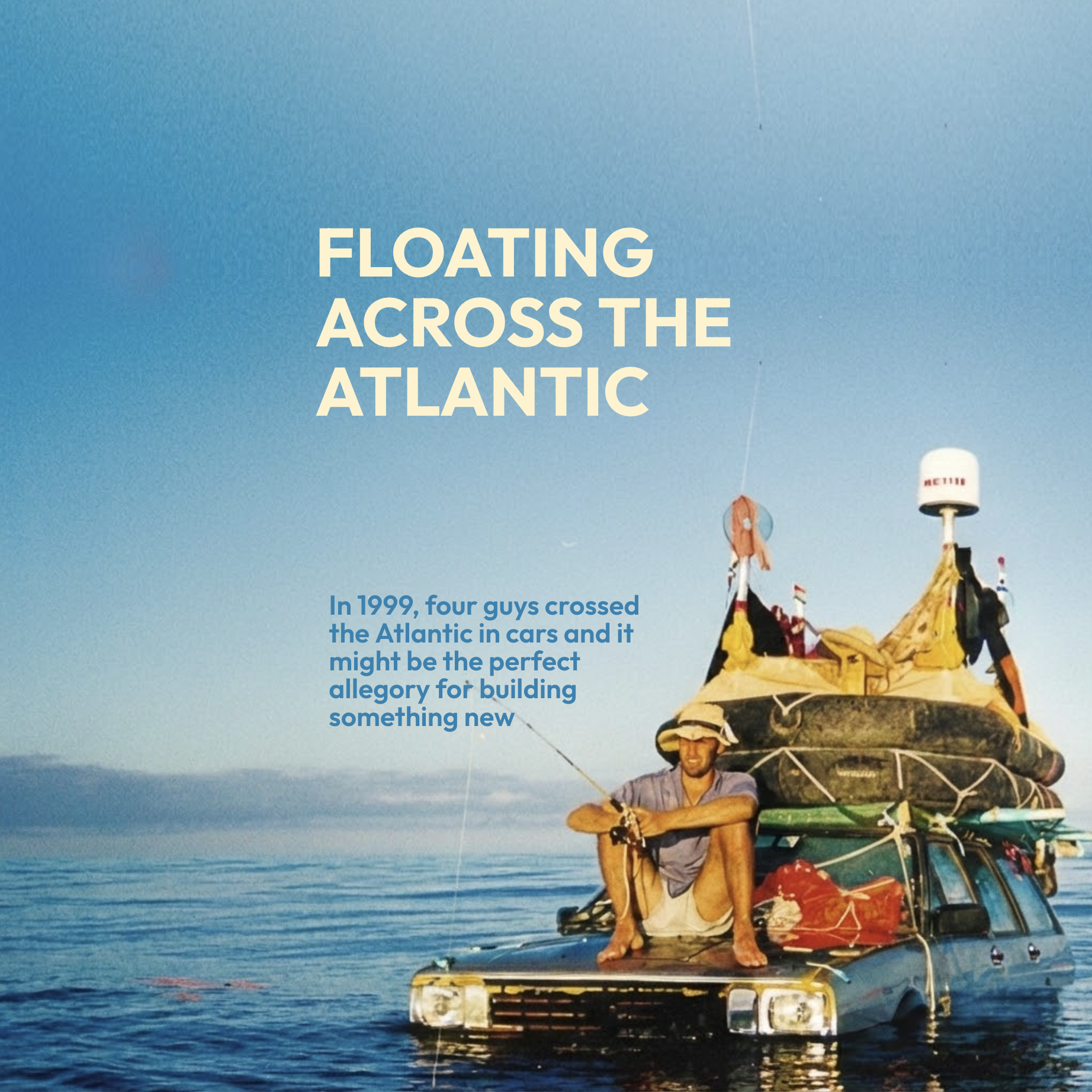
Floating across the Atlantic
In 1999, four Italians stuffed two old cars with foam and tried to float across the Atlantic Ocean. It took 119 days. Two crew members quit. And the man whose dream started it all died before they reached the other side.
Too many agents spoil the broth
GPT-5 and Claude achieve 25% success working together on a coding task. A single agent doing both jobs? Roughly 50% success.
Stanford and SAP built a benchmark called CooperBench to test something basic: can two AI coding agents collaborate on the same codebase?
They created 652 tasks across 12 real open-source repositories. Each task gave two agents different features to implement—features that were logically compatible but required coordinating on shared code. The kind of thing any software team does every day.
Across all models, cooperation dropped success rates by 30% on average.
Researchers called it "the curse of coordination."
Results read like a dysfunctional team’s retro…
Death by consensus
Without strict design, multi-agent systems ignore expertise in favor of middling comrpomise.
Why is your AI so stuck?
Your company spent millions on AI. Nobody's using it. Three-quarters of companies are stuck. And they’re solving the wrong problem.
BCG surveyed 1,000 CxOs across 20 sectors. Only 26% got past proof-of-concept to generate actual value. BCG found that companies throw IT at operational problems. They throw change management at technical gaps. They blame "culture" when the workflow design is broken.
It's like trying to fix a car that won't start by repainting it, then blaming the driver for not turning the key hard enough.
For the past three years, I've been seeing the same repeating failure patterns. If something’s holding your team back, it’s probably some gross cocktail of these:
AI is getting smarter at math but dumber at choices.
New NBER study just dropped that changes how you should think about the agents you're building into your business.
What they did:
Researchers ran the most comprehensive behavioral economics test on AI to date—16 experiments originally designed to document human irrationality, applied to 12 frontier models across GPT, Claude, Gemini, and Llama families.
Same tests Kahneman and Tversky used to prove humans violate Expected Utility theory. Loss aversion. Probability weighting. Hyperbolic discounting. The classics.
What they found:
Advanced LLMs exhibit a split personality.
5 Lessons from Uber's Airport Forecasting (That Apply to Every Org)
5 Lessons from Uber's Airport Forecasting (That Apply to Every Org)
Uber has a problem at airports:
Too many drivers = wasted time waiting.
Too few = riders can't get cars.
Both kill the marketplace.
At peak times, drivers can wait 45+ minutes in queue. During slow periods, riders wait 20+ minutes for pickup. Neither side wins.
They published research on predicting demand and managing driver queues. Buried in the technical details were lessons every Product and Ops leader needs.
-
2026
- Sep 28, 2026 Autopilot kills skills Sep 28, 2026
- Sep 24, 2026 Too sweet to eat Sep 24, 2026
- Sep 21, 2026 Managing without managers Sep 21, 2026
- Sep 17, 2026 What if we’re doing it wrong? Sep 17, 2026
- Sep 16, 2026 Org broken? Get a hard hat Sep 16, 2026
- Aug 14, 2026 Six billion dollars of experience Aug 14, 2026
- Aug 13, 2026 The Erie Riots and the Stacked Adoption problem Aug 13, 2026
- Jun 23, 2026 The mathlete’s secret Jun 23, 2026
- Jun 18, 2026 Alchemy vs Chemistry Jun 18, 2026
- Jun 16, 2026 Timelocks beat combos Jun 16, 2026
- Jun 11, 2026 The Japanese fix for MALFUNCTION 54 Jun 11, 2026
- Jun 8, 2026 Hidden structure Jun 8, 2026
- May 19, 2026 Treasure your fuck ups May 19, 2026
- May 14, 2026 Don’t be a business Bolshevik May 14, 2026
- May 12, 2026 Secrets suck May 12, 2026
- May 5, 2026 Safe playgrounds break more arms May 5, 2026
- Apr 28, 2026 No better than bank robbers Apr 28, 2026
- Apr 23, 2026 You can’t govern gray goo Apr 23, 2026
- Apr 21, 2026 Nobody got fired, they got subpoenaed Apr 21, 2026
- Apr 16, 2026 $1.66T is being paid for work that AI can already do Apr 16, 2026
- Apr 16, 2026 Don’t play bottleneck whack-a-mole Apr 16, 2026
- Apr 14, 2026 You have to break it to remake it. Apr 14, 2026
- Mar 31, 2026 Rethinking the plow, or redesigning the farm? Mar 31, 2026
- Mar 26, 2026 Building an air force or defending the fleet? Mar 26, 2026
- Mar 24, 2026 How many people does it take to say yes? Mar 24, 2026
- Mar 19, 2026 Output’s up, vibes are down Mar 19, 2026
- Mar 17, 2026 The Mandala Effect & the Pony Express Mar 17, 2026
- Mar 12, 2026 Trashcans & Astronauts Mar 12, 2026
- Mar 10, 2026 This is stupid, let’s fix it Mar 10, 2026
- Mar 5, 2026 Ripping out your kitchen before you hire a contractor Mar 5, 2026
- Mar 2, 2026 The bozos effect Mar 2, 2026
- Feb 26, 2026 Your headshot predicts your paycheck Feb 26, 2026
- Feb 24, 2026 Your workflows are infinitely long Feb 24, 2026
- Feb 19, 2026 History’s worst traffic jam was caused by poor planning. Feb 19, 2026
- Feb 17, 2026 Floating across the Atlantic Feb 17, 2026
- Feb 12, 2026 Too many agents spoil the broth Feb 12, 2026
- Feb 10, 2026 Death by consensus Feb 10, 2026
- Feb 5, 2026 Why is your AI so stuck? Feb 5, 2026
- Jan 29, 2026 AI is getting smarter at math but dumber at choices. Jan 29, 2026
- Jan 27, 2026 5 Lessons from Uber's Airport Forecasting (That Apply to Every Org) Jan 27, 2026
- Jan 22, 2026 Innovation through the wrong end of the telescope Jan 22, 2026
- Jan 20, 2026 What are we actually selling? Jan 20, 2026
- Jan 15, 2026 Devs are 12 months ahead: Here’s how they’re using AI Jan 15, 2026
- Jan 13, 2026 While You Were on Vacation, AI Infrastructure Got a Vocabulary Update Jan 13, 2026
- Jan 12, 2026 Professional developers don't vibe code. They control code. Jan 12, 2026
-
2025
- Dec 23, 2025 Science says you might secretly suck at giving gifts Dec 23, 2025
- Dec 22, 2025 If your team were locked in a capsule for months, would anyone survive? Dec 22, 2025
- Dec 18, 2025 In some fields, listing AI skills can hurt you Dec 18, 2025
- Dec 15, 2025 Think dairy farm, not strip mine Dec 15, 2025
- Dec 11, 2025 Empathy beats engineering Dec 11, 2025
- Dec 10, 2025 Stop driving your Ferrari in the parking lot Dec 10, 2025
- Dec 9, 2025 Your color palette is a financial forecast Dec 9, 2025
- Dec 2, 2025 Quarterly Family Review Dec 2, 2025
- Nov 20, 2025 Need to avoid errors? Don't hire an expert. Nov 20, 2025
- Nov 18, 2025 The toxoplasmosis innovation portfo Nov 18, 2025
- Nov 13, 2025 The hidden costs of automating work Nov 13, 2025
- Nov 11, 2025 Your agent has a Karate Kid problem Nov 11, 2025
- Nov 4, 2025 Which agent are you building? Nov 4, 2025
- Nov 3, 2025 Icky vs Tricky: A hidden barrier to agent adoption Nov 3, 2025
- Oct 30, 2025 LLMs are pattern matchers, humans are pattern breakers Oct 30, 2025
- Oct 28, 2025 This meeting should have been an agent Oct 28, 2025
- Oct 27, 2025 AI and the end of the no-asshole rule Oct 27, 2025
- Oct 23, 2025 5 Levels of Agency Oct 23, 2025
- Oct 9, 2025 Picking an AI brand ambassador Oct 9, 2025
- Oct 9, 2025 Leaders are in for a $644B reality check Oct 9, 2025
- Oct 9, 2025 Augmented empathy Oct 9, 2025
- Oct 9, 2025 My AI turned me into the villain Oct 9, 2025
- Oct 9, 2025 AI enables infinite testing—even for B2B Oct 9, 2025
- Oct 9, 2025 Candidates prefer to be interviewed by an AI Oct 9, 2025
- Oct 9, 2025 Organizational Yamanaka Factors Oct 9, 2025
- Oct 9, 2025 Being a designer, of course you hate everything. Oct 9, 2025